I got an interesting phone call today. The guy didn’t even say hello properly — he went straight to the point:
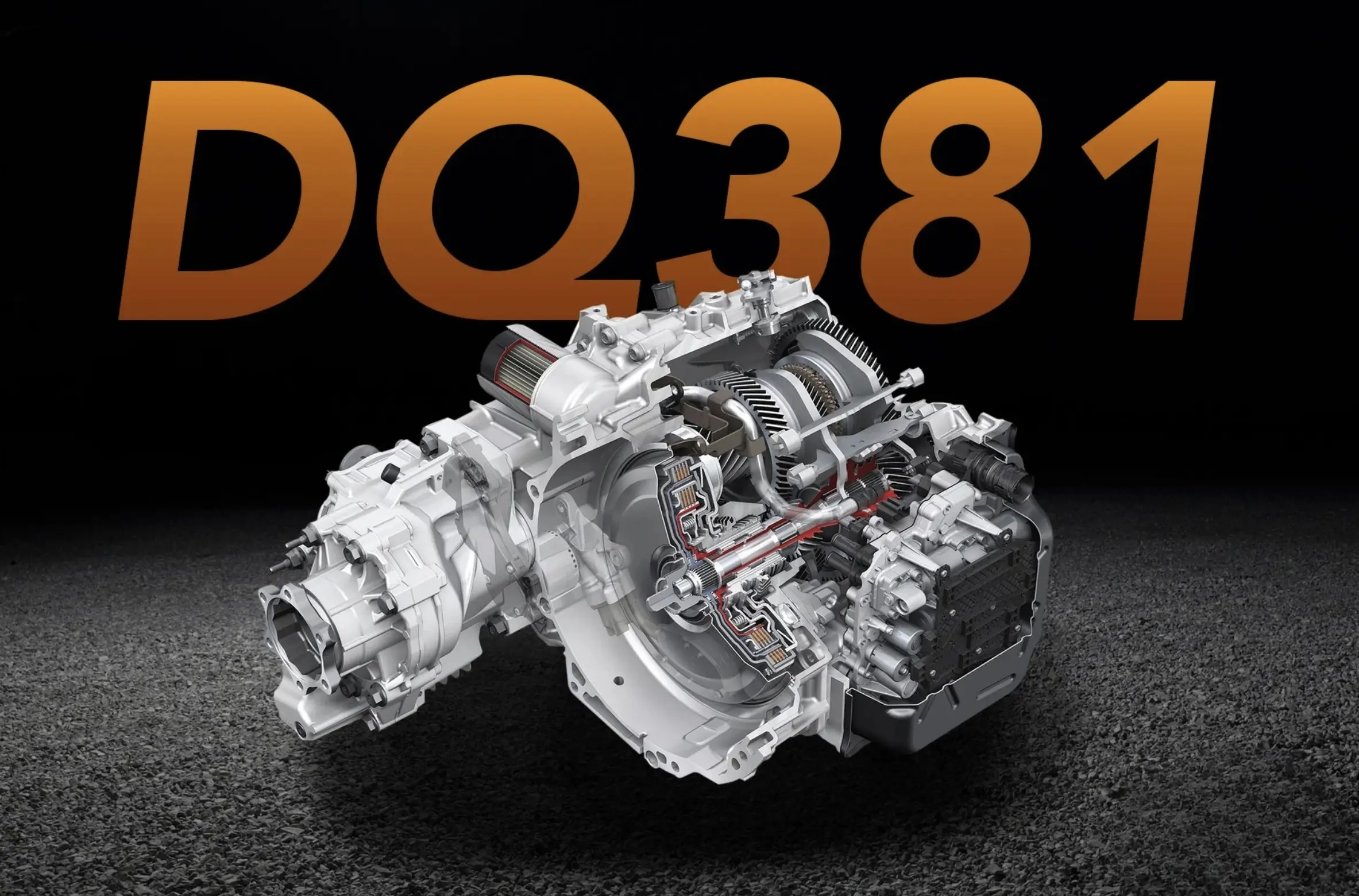
“My DQ381 shifts too early when I’m going uphill. Can you change only the uphill map?”
This type of question always makes me smile, because it tells me exactly what kind of tuner the customer spoke to before calling us. Most places don’t even know this section exists, let alone what it does. They work on basic shift RPM tables, maybe torque limits, maybe clutch pressure… but the uphill logic? That’s usually untouched territory.
The truth is, the DQ381 doesn’t detect a hill with some magical inclinometer. It figures it out by combining a bunch of inputs — the G-sensor inside the gearbox, pitch data from ESP, torque model calculations, speed loss under steady throttle, wheel torque vs expected torque… and when the math adds up, the TCU basically says: “Alright, I’m climbing.”
And only then does the uphill strategy start overriding parts of the normal and sport shift logic.
What the customer asked is technically simple — if you actually have full map access.
And that’s exactly where EagleTuning is different.
We don’t guess these maps. We don’t work with half-complete definitions.
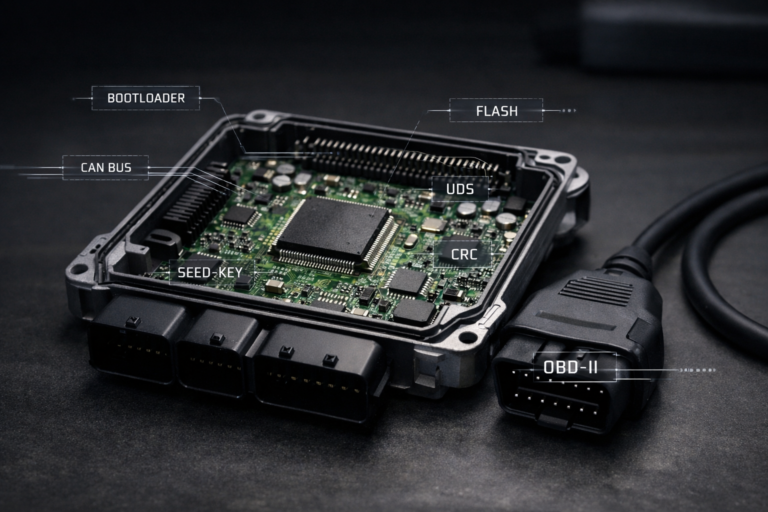
We have the full Damos for the unit, every characteristic field, every threshold, every axis, every torque modifier, every slope-related flag. When you work with the real data, not an edited XML someone bought from a forum, nothing is a mystery anymore.
So when someone says, “Can you make the car hold gears longer only uphill?”
Of course we can.
Want earlier downshifts under load but normal behavior on flat roads?
Easy.
Want a more aggressive Sport-Uphill mode for mountain driving but a calm D mode for the city?
Done.
Clutch behavior changes, torque transfer tweaks, hybrid shift strategies…
If the TCU can do it, we can calibrate it.
This is the difference between generic file sellers and actual tuners.
Most people never touch these areas because they don’t know where they are, and they’re afraid to break something. We don’t have that limitation — we tune at the source. Fifteen years of doing this, full Damos access, and every project built in-house gives us a huge advantage.
So yes, the customer will absolutely get his “uphill-only” calibration.
And not because we’re guessing, or editing blindly, or hoping it works…
but because we know exactly what the maps do, how they interact, and which part of the logic needs to be adjusted.
That’s the whole point of working directly with the real data.
When someone asks us for something specific, the answer is simple:
if the car is capable of it, we can make it happen.