
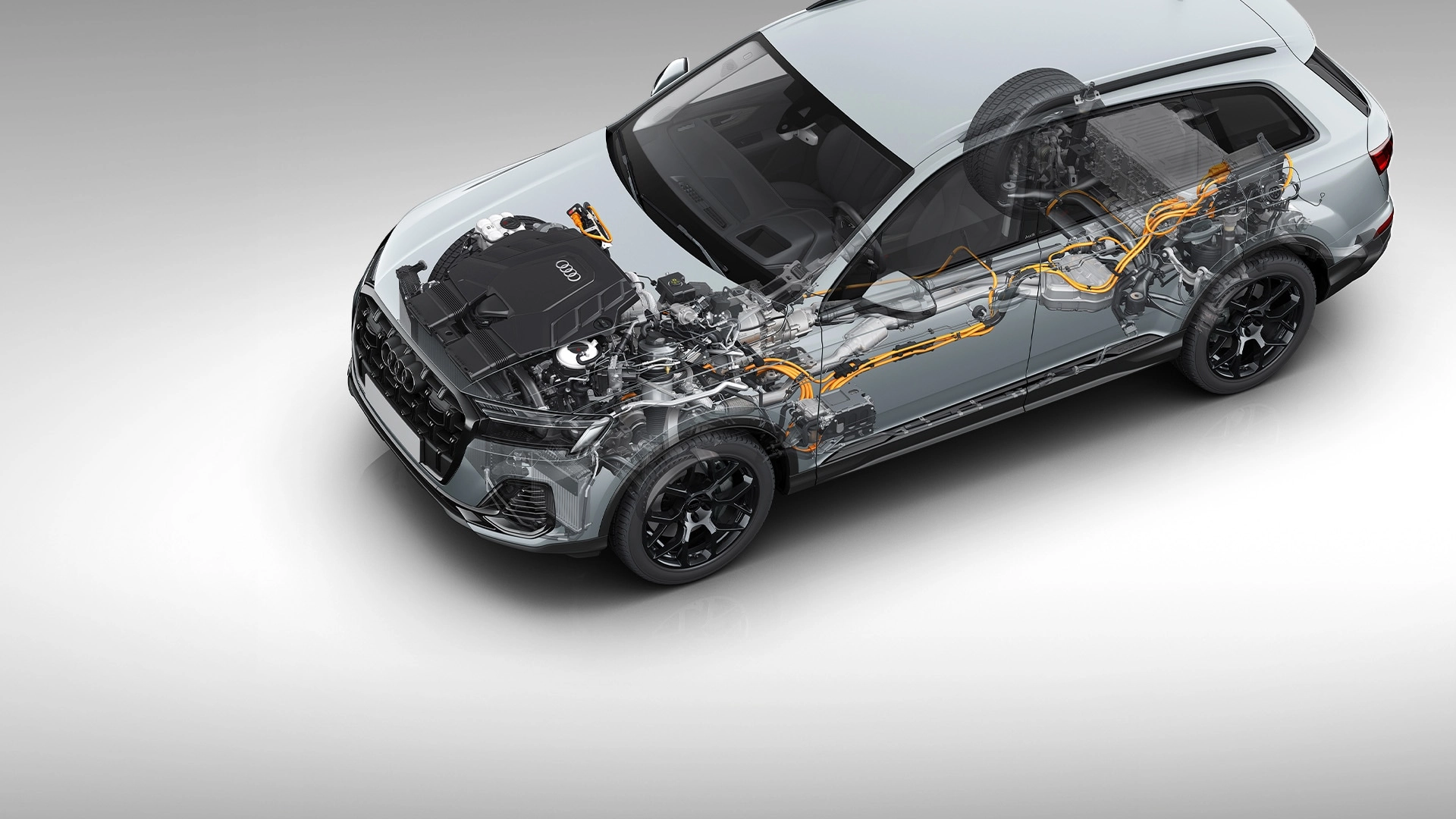
The Art of Driving Further with Less: Cylinder Deactivation Technology
Cylinder deactivation is a technology that’s been around for a while, but in today’s world, it has become a crucial tool in optimizing modern internal combustion engines. Known by different names such as Active Cylinder Technology (ACT), Variable Cylinder Management (VCM), or Active Fuel Management (AFM), this system allows an engine to operate with fewer cylinders when full power isn’t needed. This not only reduces fuel consumption but also lowers emissions, making it an essential part of the drive toward more efficient and eco-friendly driving.
How Cylinder Deactivation Works
The concept behind cylinder deactivation is straightforward: when the engine is under light load (such as cruising on the highway or going downhill), the engine temporarily shuts off the fuel injection and closes the intake and exhaust valves in selected cylinders. The pistons in these cylinders keep moving but without consuming fuel. These “deactivated” cylinders act like air springs, absorbing and returning energy with minimal loss. The engine control unit (ECU) is responsible for monitoring variables like vehicle speed, engine load, and accelerator position, ensuring that cylinders are activated or deactivated smoothly, without interrupting the driver’s experience.
Key Benefits of Cylinder Deactivation
The primary advantage of cylinder deactivation is a significant reduction in pumping losses, which results in improved engine efficiency, particularly during light load conditions. This leads to better fuel economy, especially on long drives at constant speeds. Manufacturers claim that fuel savings can vary from 5% to 25%, depending on the specific engine and driving conditions.
However, to ensure a seamless transition between active and deactivated modes, the technology needs precise management to avoid vibrations. Many vehicles with cylinder deactivation include additional systems such as active engine mounts or noise-canceling technology to keep the ride smooth and quiet.
Cylinder Deactivation Systems by Manufacturers
Several automakers have adopted cylinder deactivation technology, each with their own specific systems:
Volkswagen: Active Cylinder Technology (ACT) is used on certain 4-cylinder engines, such as the 1.4 TSI, to deactivate cylinders when full power isn’t required.
General Motors: AFM (Active Fuel Management) and DFM (Dynamic Fuel Management) are employed in GM vehicles, allowing cylinders to deactivate based on power demand for enhanced fuel efficiency.
Honda: VCM (Variable Cylinder Management) is used on V6 engines, switching from 6 to 3 cylinders when less power is needed.
Mercedes-Benz: Active Cylinder Control (ACC) is applied to some V12 engines, enabling the engine to deactivate cylinders to improve fuel efficiency.
Audi: Cylinder on Demand (COD) allows Audi engines, from 4-cylinder to W12, to deactivate cylinders when full power isn’t necessary.
Other manufacturers, such as Ford, Toyota, Porsche, Bentley, and Alfa Romeo, have also embraced cylinder deactivation technology, customizing it to their specific engine designs and powertrain strategies.
Types of Cylinder Deactivation Systems
Different technical approaches exist for deactivating cylinders:
Hydraulic Systems: These systems use special hydraulic tappets to disengage the valves of the targeted cylinders, allowing for a simple deactivation process.
Electronic Systems: These systems employ actuators and solenoids, which are precisely controlled by the ECU, enabling more flexible and precise deactivation of cylinders.
Mechanical Systems: Though less common, mechanical systems use physical mechanisms to disengage the components of the valve train.
Some systems, like GM’s Dynamic Fuel Management (DFM), take it a step further, offering variable cylinder deactivation, which allows the engine to deactivate a greater range of cylinders depending on the specific power demand at any given time.
Conclusion: Embracing Efficiency Without Compromise
Cylinder deactivation technology is an excellent example of how modern automotive engineering is advancing to meet the increasing demands for energy efficiency and emission reduction. By dynamically adjusting engine operation based on driving needs, it enables cars to achieve impressive fuel economy and lower emissions without sacrificing performance or driving comfort. At Eagletuning, we are excited about the continued innovation in the automotive industry and the potential of technologies like cylinder deactivation to create more efficient, eco-friendly vehicles.
Embracing these advancements ensures that the future of driving will be not only efficient but also enjoyable.