When Anti-Pollution Cheating Resurfaces: The FCA Case
The Dieselgate scandal left an indelible mark on the automotive industry, costing billions in fines and damaging public trust. While many hoped this chapter had been closed, recent events suggest that some manufacturers are still grappling with legal repercussions. As specialists in approved engine remapping at Eagle Tuning, we stay updated on the evolving standards and technologies in the industry. But with the new case involving FCA, we can’t help but ask: why do these stories keep resurfacing, and why are certain manufacturers singled out more than others?
Volkswagen: The Fall Guy?
The Dieselgate scandal erupted with Volkswagen (VAG), which admitted to equipping millions of diesel vehicles with software designed to detect homologation cycles (like the NEDC) and adjust emissions accordingly. However, what’s less known is that Volkswagen wasn’t alone. Other manufacturers employed similar practices, yet the media spotlight and legal sanctions focused disproportionately on VAG.
Why did VAG bear the brunt of the backlash? A large part of it was the company’s positioning. At the time, VAG had just surpassed Toyota as the world’s largest car manufacturer, with their Bluemotion engines marketed as powerful, fuel-efficient, and eco-friendly. It was a “miracle formula” that positioned diesel as both viable and sustainable, all backed by Bosch technology.
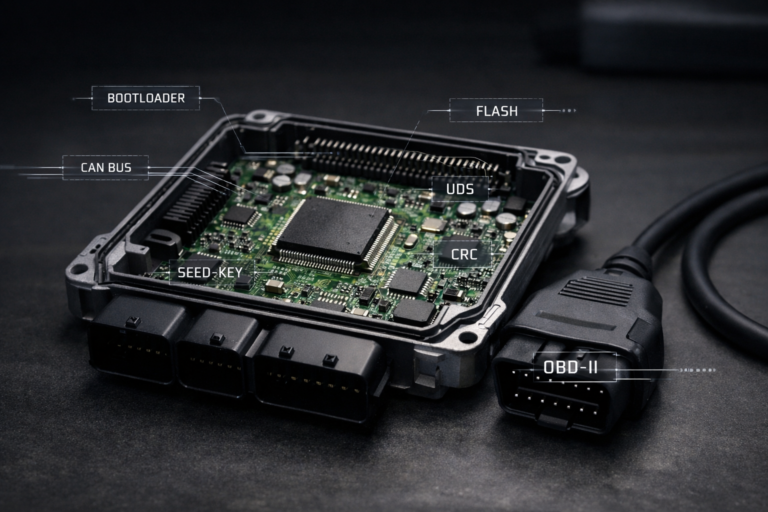
This strong emphasis on “German technology” didn’t sit well with everyone. Researchers and engineers, particularly in the U.S., began digging into the Volkswagen case, trying to uncover the secret behind such extraordinary performance. California’s CARB standards, known for being among the strictest, raised flags when they found discrepancies between vehicle performance under test conditions and normal driving conditions. The solution was simple: manipulating the ECU software to reduce engine performance and optimize combustion solely during the test. This allowed Volkswagen to pass emissions tests while continuing to sell their “eco-friendly” diesel vehicles.
It’s worth noting that Opel, not yet part of Stellantis, used similar practices, albeit with Delco E92 ECUs, which were independently developed by Delco without Bosch involvement. This shows that the use of such tactics was far more widespread than initially believed.
FCA Faces Emissions Deception Charges
The story doesn’t end with Volkswagen. After Peugeot-Citroën and Renault, Fiat-Chrysler Automobiles (FCA) is now facing a fourth trial for emissions deception, this time in France. The Paris public prosecutor’s office is pursuing charges for vehicles sold between 2014 and 2017 under Fiat, Alfa Romeo, and Jeep brands, all equipped with Multijet II diesel engines.
These vehicles are alleged to have “frequently exceeded the regulatory NOx emissions limits” during regular use, though they met the standards during homologation tests. The prosecutor’s office claims the vehicles were “specially calibrated according to technical parameters (temperature, speed, gear ratios, etc.) to ensure compliance only under homologation conditions.” Outside of these test conditions, the pollution control systems were “severely degraded.”
Although FCA, which merged with PSA to form Stellantis in 2021, denies the charges, consumer associations such as CLCV are calling for “full compensation” for the 38,144 affected vehicles. These vehicles generated approximately 836 million euros in revenue for FCA.
It’s also worth noting that FCA reached an agreement with U.S. authorities in early 2019, agreeing to pay up to $515 million to settle lawsuits over similar claims. In France, the company was charged in July 2021 for “deception on the substantial qualities of a product leading to a danger to human or animal health.” A 2017 report even referred to a “global strategy aimed at manufacturing fraudulent engines and then marketing them.”
The final decision on whether to proceed with a trial now rests with the investigating judge. This case serves as a reminder that manufacturers’ efforts to bypass emissions standards remain a recurring issue. At Eagle Tuning, we are committed to providing remapping solutions that fully comply with current standards, ensuring both performance and legality for our customers.